 plots
plots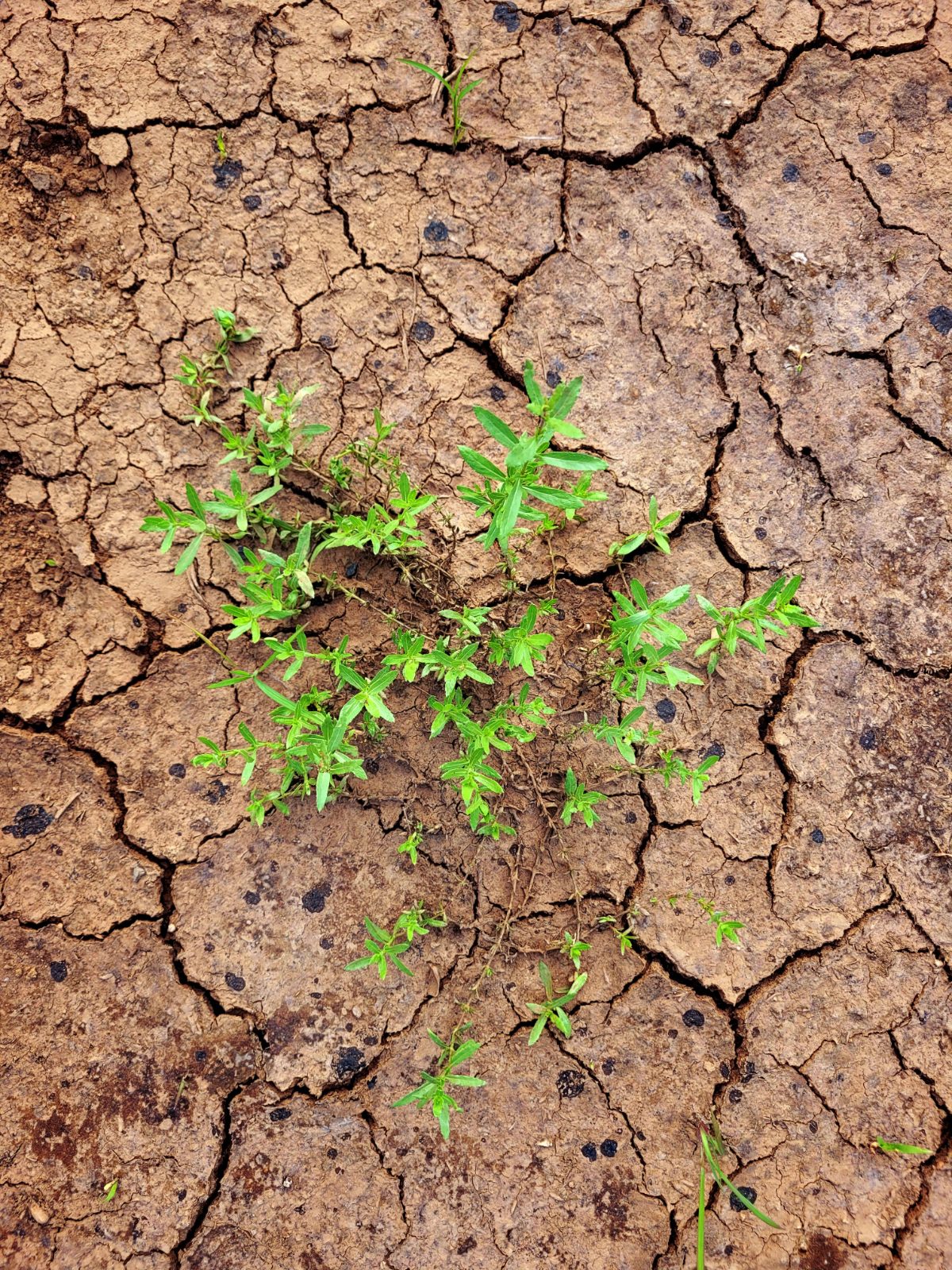
Two growers weed the same bed of pigweed and lamb's quarters. One pulls in dry, cracked soil and spends the afternoon fighting snapped-off roots that resprout in a week. The other waits for the day after a good rain, and the same weeds slide out whole in a fraction of the time. The weeds were identical. The only difference was timing, and with weeding, timing is close to the whole game.
Why the day after rain is the sweet spot
When soil is dry and hard, a weed's roots are locked in place. Pull, and the top snaps off at the crown while the taproot stays put, ready to push new growth. You have not removed the weed; you have pruned it. Many of the worst offenders, dock and dandelion and bindweed among them, are especially good at regrowing from a chunk of root left behind.
A good rain changes that. Water softens the soil and loosens its grip on the roots, so when you pull, the whole plant comes with it, taproot and all. That is the difference between removing a weed and merely topping it. The day after a soaking rain, a bed that was a grind to weed dry becomes a bed you can clear cleanly and quickly.
But not while it is still soggy
There is a trap on the other side of the rain, which is weeding too soon. When the soil is still saturated and mud clings to your boots, two bad things happen.
First, you compact the bed. Walking and kneeling on waterlogged soil squeezes the air out of it and packs the structure down, and compacted soil drains worse and grows worse for a long time after. You can undo weeks of good tilth in an afternoon of working wet ground.
Second, every weed you pull and drop has a good chance of re-rooting. Lay a pulled weed on wet mud and it is essentially a transplant; the moist soil and intact roots let it take hold again. You do the work of pulling and then hand the weed a fresh start.
The sweet spot is the window when the soil is moist but no longer wet, usually about a day after the rain depending on your soil and the weather. Moist enough that roots release, dry enough that you are not compacting the bed or replanting what you pull.
Flip the tool for tiny weeds on a dry day
There is one situation where you want the opposite of moist soil, and it is worth knowing because it saves enormous amounts of time. For a flush of tiny seedling weeds, the ones that have just germinated and are still threadlike, the fastest kill is a sharp hoe run shallow across the surface on a dry, sunny day.
You are not pulling these; you are slicing them off at the soil line and leaving them on top. On a dry day with sun and a bit of breeze, the severed seedlings desiccate and die on the surface within hours. This is why hoeing a bed of just-emerged weeds in the morning of a hot dry day is one of the highest-return jobs on the farm: minutes of work kills thousands of weeds before they are big enough to matter. Save the day-after-rain hand-pulling for the bigger, established weeds with real roots.
Stack the deck: stale seedbeds, mulch, and never letting one seed
Timing your passes well is most of the battle, but a few habits shrink how much weeding there is to time.
A stale seedbed is the trick of preparing a bed, watering it, and letting the first flush of weed seeds germinate, then killing that flush with a shallow hoe or a flame before you plant your crop. You have drawn out and destroyed a layer of the weed seed bank on your schedule, so your crop comes up into much cleaner ground. Shallow is the key word; dig deep and you just bring up a fresh batch of buried seed.
Mulch takes the other approach, denying weed seeds the light they need to get going. A good layer of straw, leaves, or compost over a bed suppresses germination and keeps soil moisture even, which is a double win in summer.
Underneath all of it is the oldest rule in the book: never let a weed go to seed. The saying is "one year's seeding, seven years' weeding," and it is not an exaggeration. A single pigweed can throw hundreds of thousands of seeds, and many stay viable in the soil for years. Pull or hoe the weed that is about to flower before anything else, because that one plant is next year's, and the next several years', workload.
Caveats
The moist-soil rule has a hard exception: heavy clay. Wet clay compacts more easily and more lastingly than lighter soils, and working it wet can smear and seal the structure in a way that takes a season or more to recover. On clay, err well toward the dry side and accept a little more root breakage rather than wreck the bed.
And hand-pulling is not the right tool for every weed. Some perennials, bindweed, quackgrass, Canada thistle, spread by underground roots and rhizomes, and every fragment you break off and leave behind can become a new plant. On those, yanking a handful can multiply the problem instead of solving it. They usually call for patient, repeated cutting to exhaust the roots, or a more deliberate removal strategy, not a quick pull after the rain.
How Plots.Farm helps
The reason weeding slips is that it lives in your head as a vague "I should get to that bed," and then the rain comes and goes and the window passes. Plots.Farm turns your crop plan into a task list, so weeding passes land on the calendar per bed instead of floating in your memory. When a good rain rolls through, you can slot the pass right into the day after, on the specific beds that need it, and check it off when it is done.
Over time the record earns its keep. Your observations let you note which beds carry the worst weed pressure, so you prioritize the bad ones instead of treating every bed the same, and you can look back season over season to see whether your timing is actually working. If the day-after-rain passes are shrinking the pressure on a bed year to year, the notes will show it.
Wait for the day after a good rain, pull the big weeds while the soil is moist but not soggy, hoe the tiny ones on a dry sunny day, and never let one go to seed.
Create your farm and put your weeding passes on the calendar, bed by bed.
Pass this to a grower who is out there snapping taproots in dry, cracked ground.